I've been surveying properties across Bristol for over a decade now, and if there's one thing that never changes, it's the love Bristol buyers have for a Victorian terrace. And why not? They're beautiful, they're well-built (usually), they have character in spades, and they're woven into the fabric of the city's most popular neighbourhoods — Southville, Redland, Easton, Bedminster, Bishopston.
But Victorian terraces also come with a specific set of challenges. As a building surveyor specialising in residential surveys in Bristol, I want to help you understand what those challenges are before you commit — not after you've exchanged contracts.
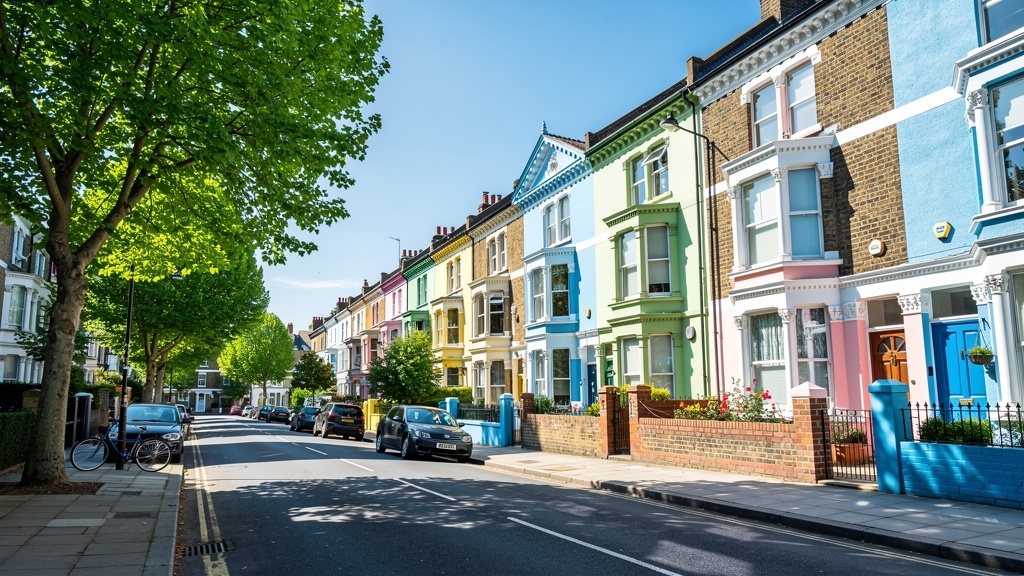
What Makes Victorian Terraces in Bristol Special?
Bristol's Victorian terraces were largely built between about 1840 and 1910, mostly in the decades following the arrival of the railways, which opened up what had previously been fields to the south, east and north of the city. The boom areas were places like Southville, Bedminster, Easton, Totterdown, Redland and Bishopston — all now amongst the city's most sought-after residential areas.
Victorian builders were generally skilled and resourceful. They used local materials (Bristol's red brick is iconic), traditional construction methods, and built to serve — not just to be sold on. Many of these houses are now 130 to 150 years old and, with appropriate care, should last many more decades.
That said, they were built without modern damp-proof courses, without cavity walls, without modern insulation, and without modern drainage. And most of them have had 150 years of subsequent alterations — not all of them well-thought-through.
The 8 Most Common Issues in Bristol's Victorian Terraces
1. Damp — Multiple Types, Multiple Causes
Damp is, by a considerable margin, the most common issue I find in Bristol's Victorian terraces. But it's important to understand that 'damp' covers a range of completely different problems:
- Rising damp: Water rising from the ground through the base of the walls. Victorian properties have no damp-proof course (DPC), so they rely on breathable lime plaster and render to manage moisture. Modern cement pointing and render traps moisture and causes rising damp symptoms.
- Penetrating damp: Water getting in through external walls, roofs, windows or poorly maintained rainwater goods. Very common in Bristol's wetter climate.
- Condensation: Moisture-laden air condensing on cold surfaces. Dramatically increases in Victorian properties that have been 'sealed up' with modern double glazing and insulation without adequate ventilation.
2. Chimney Stacks and Flues
Every Victorian terrace in Bristol originally had multiple chimney stacks — one for each fireplace on each floor. Many of these have been removed, blocked or left abandoned over the decades. Remaining chimney stacks are frequently in poor condition: loose pots, failed lead flashings, cracked mortar, and defective chimney caps are all very common. I rarely survey a Bristol Victorian terrace without finding at least minor chimney defects.
3. Roof Condition
Original Victorian roofs in Bristol are typically slate or clay plain tile, laid on a cut timber roof structure. The slates and tiles themselves often outlast their life expectancy remarkably well — I've seen original 1870s Welsh slate still performing perfectly. The problems are usually elsewhere: failed lead valley gutters, deteriorating mortar at ridge and hip tiles, and ageing sarking felt (if fitted — many Victorian roofs have no sarking felt at all).
4. Timber Floors and Woodworm
Original suspended timber ground floors are standard in Victorian terraces. They're generally well-constructed but can develop issues — most commonly damp-related rot caused by blocked or inadequate sub-floor ventilation. Woodworm (specifically the common furniture beetle) is also very prevalent in Bristol's Victorian housing stock. Evidence of past or active woodworm requires careful assessment.
5. The Front Bay Window
The projecting bay window is one of the most characteristic features of the Bristol Victorian terrace. It's also one of the most problematic. Bay windows are structurally independent from the main wall in many cases, supported on their own shallow foundations. Over time, slight differential movement between the bay and the main structure is almost universal. The key question is: how much, and is it still active?
6. Original Sash Windows
Where original timber sash windows survive, they're often a delight — well-made, repairable, and with significant character value. But they also frequently need attention: failed sash cords, rotting timber sills and frames, and failed putty glazing are all very common. A good surveyor will assess the overall condition and help you understand the maintenance commitment.
7. Victorian Drainage
Original Victorian drainage systems — typically clay or cast-iron — are often reaching the end of their serviceable life. Common issues include cracked or collapsed clay pipes (often caused by root ingress from street trees), defective inspection chambers and, in terraces, poorly maintained shared drainage runs. A CCTV drain survey is always worth considering for Victorian Bristol properties.
8. Previous Alterations and Extensions
Almost every Victorian terrace in Bristol has been altered at some point. Kitchen extensions, loft conversions, knocked-through ground floors, added en-suites — all common, and not always done well. A good building survey will assess the quality of any alterations and flag issues with structural openings, inadequate lintels, poor roofing details or substandard insulation.
Which Survey Do You Need for a Victorian Terrace in Bristol?
My strong recommendation is a Level 3 Building Survey for any Victorian terrace in Bristol. This isn't about upselling — it's about giving you the right information. The Level 3 survey allows your professional building surveyor to properly investigate the specific issues outlined above, describe the likely causes, and give you clear advice on what needs attention, how urgently and at what approximate cost.
A Level 2 Homebuyer Report will flag issues it encounters but won't go into the same depth of investigation or provide the same level of remediation advice. For a 130-year-old terrace in Southville or Easton, that depth matters.